
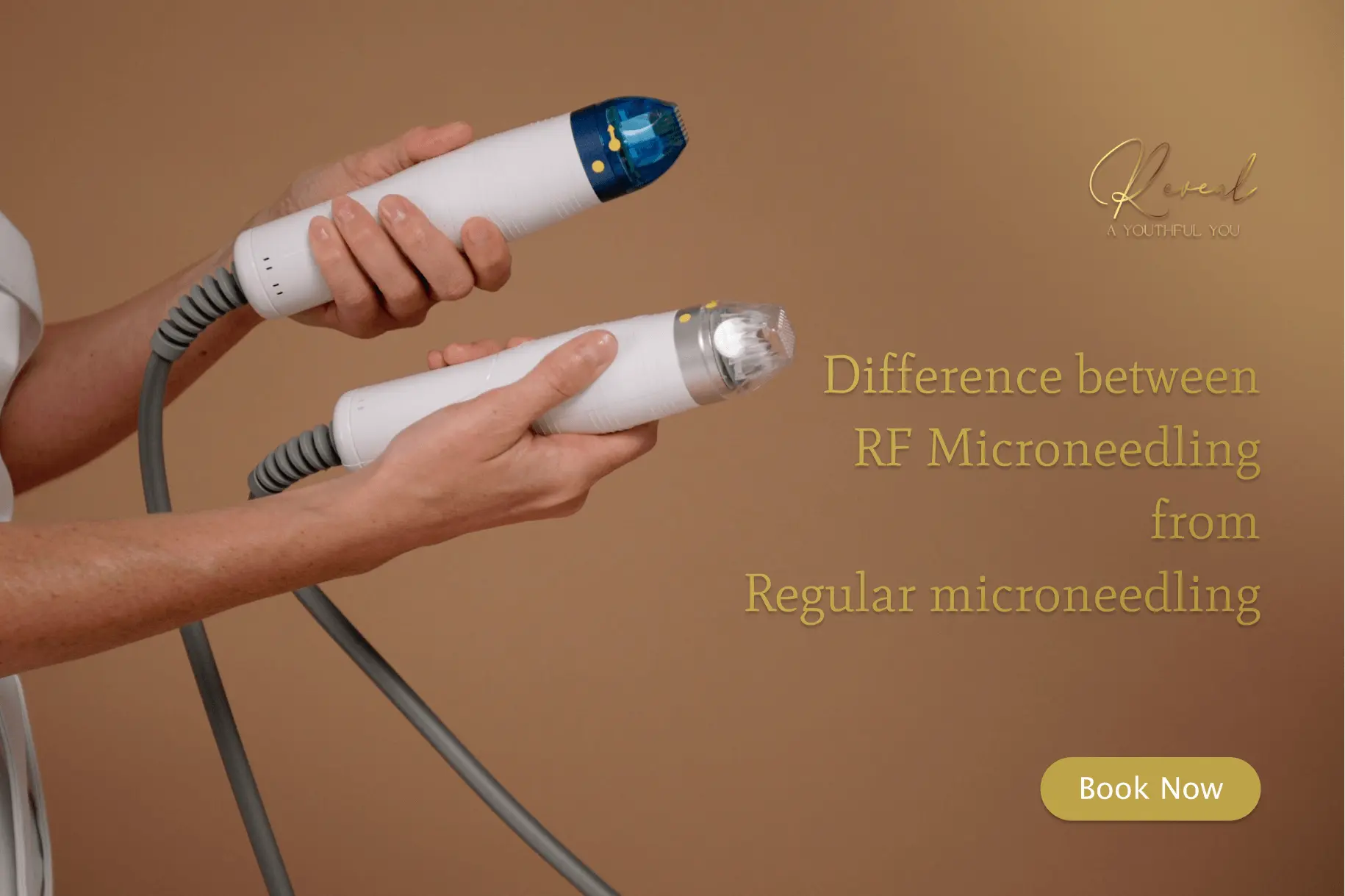
What is the difference between RF Microneedling from regular microneedling?
Skin that is healthy and radiant is what most people desire. With the popularity of modern Skin Care, many advanced treatments are now accessible to improve skin tone, texture, and firmness. One of the more well-known treatments available today is Microneedling RF, along with traditional Microneedling.
At first glance, they might appear to be what they are. Both utilize tiny needles for treating the skin. Both treatments aim to increase collagen production and improve the skin’s quality. But there are significant distinctions between them. The differences could affect the results, recovery times, and the kind of skin issues they treat.
In this thorough guide, we’ll explain the factors that make the RF microneedling different from standard microneedling. We will also discuss the process of each treatment to treat the issues, as well as the actual statistics and data, and which treatment may be the best for your skin’s needs.
Microneedling
Microneedling is an aesthetic procedure that uses extremely fine needles to cause small, controlled wounds to the face. The micro-injuries stimulate your body’s healing processes. In the process, the skin can produce more collagen and elastin.
Collagen is the protein that keeps skin smooth and firm. As we age, collagen production decreases. According to studies, the production of collagen can decrease by around 1% each year after the age of 20. When someone is in the age of 40, collagen levels can be 10 to 20 percent lower than when they were at the time of their youth. This can cause wrinkles, loose skin, and an uneven appearance.
Microneedling can reverse some of this damage. It is used primarily to reduce acne scars and fine lines, as well as enlarged pores and light discoloration of the skin.
In the course of treatment, an instrument equipped with tiny needles is moved through the skin. The needles’ diameter can be adjusted based on the specific area of treatment. The treatment typically lasts 30 – 60 mins. Following treatment, the skin might appear red and may feel a little sensitive for a couple of days.
What Is RF Microneedling?
RF Microneedling refers to Radiofrequency Microneedling. It is a combination of traditional microneedling and radiofrequency energy. That’s where the primary difference is.
In this advanced procedure, needles don’t just create tiny nicks in the skin but also send controlled radiofrequency energy that penetrates the dermis. The radiation energy strengthens the skin and triggers the production of collagen.
Because of this extra strength, RF Microneedling can treat the deeper layers of skin. It is generally regarded as a more efficient and sophisticated alternative in modern skin Care.
This treatment is particularly effective for more prominent wrinkles and stretch marks, loose skin, and more serious acne scars. The addition of heating energy is more effective in skin tightening than traditional microneedling.
Key Differences Between RF Microneedling and Microneedling
While both treatments are designed to improve the appearance of your skin the appearance of your skin, their methods and results differ.
The primary distinction is the usage in the use of radiofrequency energies. Traditional microneedling relies solely on the force of a blow to stimulate collagen production. The procedure combines thermal energy as well as mechanical trauma. This combination creates more stimulation in the deeper layer of skin.
Another distinction is the tightening of skin. Microneedling is a method that improves the skin texture and minimizes minor scratches. It doesn’t significantly improve the appearance of loose skin. RF Microneedling, on the other hand, utilizes the heat to tighten collagen fibers. This causes the appearance of tighter skin.
The recovery time may also differ. The typical microneedling procedure has minimal downtime, usually up to 3 days with redness. Microneedling with RF may have an extended downtime of 3 to 5 days, according to the intensity with which the procedure is carried out.
The degree of treatment is a different aspect. It is possible to penetrate the deeper layers of skin without causing damage to the surface excessively. This makes it safer for certain types of skin and is more effective for advanced problems.
Below is a basic comparability table that will help you better understand:
| Feature | Microneedling | RF Microneedling |
| Technology | Tiny needles, only | Needles + Radiofrequency energy |
| Collagen Stimulation | Moderate | High |
| Skin Tightening | Mild | Significant |
| Best For | Lines of fine lines, minor marks | Deep wrinkles and loose skin, as well as severe scars |
| Downtime | 1 to 3 days | 3 to 5 days |
How RF Microneedling Works in the Skin
To better understand the reasons the RF microneedling differs from other methods, you need to understand how the skin’s structure works. The skin is composed of three major layers: epidermis, dermis, and subcutaneous layer.
Traditional microneedling mostly affects the upper dermis. It makes micro-channels to signal the body to heal itself. The collagen is formed as time passes, improving the skin’s texture.
RF Microneedling is a procedure that penetrates the dermis. The radiofrequency energy warms the tissues at a controlled temperature, typically between 40 and 60 ° Celsius. This causes rapid contraction of collagen fibers and encourages long-term collagen remodelling.
Research has shown that treatments using radiofrequency can boost collagen production by as much as 30% in a set of sessions. Patients usually notice improvement over the course of 3 to 6 months as new collagen develops.
Which Treatment Is Better for Acne Scars?
Acne scars are among the most frequent reasons that people seek out microneedling. According to dermatology statistics from around the world, about 80percent of those between the ages of 11 and 30 have acne, and as high as to 20% of them develop scars.
Regular microneedling is a great way to improve moderate to mild acne scars, by smoothing the skin’s surface. However, more severe scars usually require more intensive treatment.
It is generally better suited for acne scars due to its ability to work in deeper skin layers. The heat generated helps to break down scar tissue and encourages more collagen production in the affected areas.
Clinical studies have demonstrated that patients who received RF microneedling to treat acne scars saw an improvement of 50-75% after 3-4 sessions.
Effectiveness for Skin Tightening and Anti-Aging
Skin laxity is a typical problem as we get older. As we reach 50collagen production could decrease by as much as 25% when compared to the beginning of adulthood. This can cause wrinkled cheeks, loose jawlines, and fine wrinkles.
Regular microneedling can improve the appearance of fine lines, but it does not give a significant lift. It is more beneficial for the early signs of aging.
RF Microneedling provides noticeable tightening. A majority of patients notice lifting after two or three sessions. The radiofrequency heat binds collagen instantly and triggers long-term remodelling.
For those who desire non-surgical skin tightening that does not call for surgical procedures, RF Microneedling is usually a preferred option in modern skin Care Clinics.
Safety and Suitability for Different Skin Types
One advantage of both procedures is that they’re suitable for all skin types, which includes dark skin shades. Some laser treatments have a higher chance of dark skin tones being pigmented. The Microneedling procedure and the RF microneedling process are thought to be more secure alternatives.
The procedure needs to always be done by certified experts. The energy generated by the needle must be carefully controlled to avoid burning or unwelcome negative side consequences.
Both treatments may result in some temporary swelling, redness, and discomfort. The risk of serious complications is low when executed properly.
Cost Comparison
Cost is another aspect that many people think about. Prices differ by location and the provider; the RF Microneedling procedure is generally more expensive than regular microneedling.
Here’s a general price comparison between the USA:
| Treatment | Average Cost per Session (USA) |
| Microneedling | $200 – $500 |
| RF Microneedling | $500 – $1,500 |
While RF Microneedling is more expensive, it could require fewer sessions to address certain issues. This could balance the total cost over the course of.
Treatment Experience and Downtime
The treatment experience can be a bit different. The typical microneedling procedure uses a Numbing cream to ease discomfort. The majority of people describe it as gentle pressure, or even scratching.
The skin may be warmer due to its radiofrequency power. Numbing creams are utilized to make patients feel at ease.
Following treatment, your skin might appear red, much like the appearance of a slight sunburn. If you have regular microneedling treatment, redness generally fades within several days. If you choose to use RF Microneedling for this procedure, redness can last for a bit longer.
It is common to apply makeup within 24 to 48 hours based on the advice of the professional.
Long-Term Results and Maintenance
Both therapies require a series of sessions to achieve the maximum outcomes. The majority of professionals recommend 3 to 6 sessions spread out approximately two weeks in between.
Through regular microneedling, results improve gradually over a couple of months. The maintenance treatment is usually recommended every once or twice.
With the RF Microneedling, results can last longer because of greater collagen stimulation. Many patients choose to maintain at least once per year after having completed their initial treatment.
Since collagen continues to build with time, improvement can be observed for as long as six months following the end of the session.
Reveal a Youthful You in the USA
For those who reside in the United States who are looking for the latest modern skin care treatment options, Reveal a Youthful You provides professional Microneedling and RF services. Their focus is on a safe procedure, individualized treatments, and long-term skin health. They offer both traditional microneedling options and more advanced RF Microneedling options. They assist clients in choosing the most effective option depending on their skin type as well as goals.
Choosing the Right Treatment for Your Skin
The ideal choice will depend on your skin’s condition and age, as well as your desired objectives. If you’re suffering from minor acne scars, wrinkles, or an uneven texture, microneedling might be sufficient.
If you’re dealing with deep wrinkles, skin sagging, or severe acne scars that are severe, RF Microneedling could provide faster and more effective results.
A consultation with a qualified dermatologist is crucial. A thorough skin analysis will aid in determining the proper depth of needle, the number of sessions, and whether radiofrequency energy is required.
The Future of Modern Skin Care
The beauty industry is growing quickly. The market for medical aesthetics in the world was estimated at more than $15 billion in the past and is predicted to continue growing in a steady manner. Non-surgical treatments such as microneedling and microneedling using RF technology are becoming increasingly sought-after because they provide noticeable results without surgery.
Patients are seeking treatments that offer little downtime and natural-looking results. This is why RF Microneedling works perfectly, as it combines technology and biology to boost the body’s healing process.
Final Thoughts
Both Microneedling and RF microneedling are both effective treatments for today’s contemporary skin care world. The major distinction is that there’s a radiofrequency energy within Microneedling using RF, which permits deeper penetration, greater collagen stimulation, and better skin tightening.
If you’re looking for slight improvements in tone and texture, traditional microneedling might be a good option. If you’re looking for superior anti-aging benefits in scar reduction, as well as healthier skin, RF microneedling provides more efficient results.
Knowing these distinctions can assist you in making the right decision regarding your skin. Make sure you choose a reputable clinic and a skilled professional to ensure safe and efficient treatment. If you follow the correct approach, you will be able to get a smoother, tighter, and younger-looking complexion that will last.
Frequently Asked Questions (FAQs)
1. Is RF Microneedling painful?
The majority of patients experience mild discomfort. A cream that numbs the area is applied before treatment to lessen discomfort. The warmth of radiofrequency energy can be felt; it is generally a pleasant experience.
2. How many sessions are required?
The majority of patients require 3-4 sessions to see an improvement in their condition. For serious issues, you may need additional sessions. Your doctor will develop a customized strategy.
3. Is RF Microneedling safe for dark skin?
Yes, it’s generally safe for the majority of skin tones when done by trained experts. It has a lower chance of pigmentation when compared to other laser procedures.
4. When will I start seeing the results?
There may be signs of tightening within some weeks. Results are usually visible in 3 to 6 months as collagen grows.
5. Can I mix RF Microneedling and other treatments?
It is possible to use it in conjunction with other skin treatments, such as PRP or facials, based on your doctor’s recommendations.